What Bitcoin UTXO are
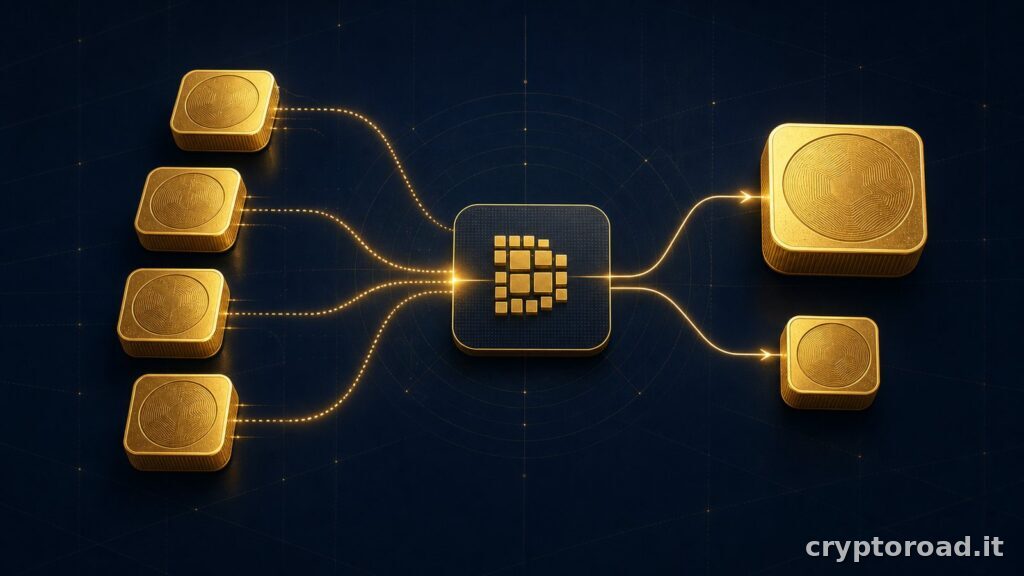
Bitcoin UTXO sono i pezzi di valore non ancora spesi dentro Bitcoin. Non funzionano come il saldo di un conto bancario. Il wallet mostra un saldo totale, ma sotto quel numero ci sono output separati ricevuti in passato e non ancora usati. Quando spendi Bitcoin, il wallet seleziona uno o piu UTXO, li consuma come input e crea nuovi output: uno verso il destinatario e spesso uno di resto che torna a te. The important point is not memorizing a definition, but understanding what changes when you actually use a wallet, pay a fee or recover funds safely.
Perche Bitcoin usa questo modello
Il modello UTXO rende piu semplice verificare che una moneta non sia stata spesa due volte. Ogni output ha una storia precisa: e stato creato da una transazione precedente e resta spendibile finche non viene usato come input. Questa struttura e diversa dal modello account di molte chain smart contract. In Bitcoin non aggiorni un saldo globale: spendi oggetti discreti di valore. The important point is not memorizing a definition, but understanding what changes when you actually use a wallet, pay a fee or recover funds safely.
Un esempio pratico
Immagina di avere tre UTXO: 0,01 BTC, 0,03 BTC e 0,06 BTC. Il wallet ti mostra 0,10 BTC, ma non e una singola moneta. Se devi inviare 0,04 BTC, il wallet puo selezionare l UTXO da 0,06 BTC e creare due output: 0,04 BTC al destinatario e circa 0,02 BTC di resto, meno la fee. Oppure puo combinare 0,01 e 0,03 BTC se la fee e conveniente. La scelta dipende da software, fee e privacy. The important point is not memorizing a definition, but understanding what changes when you actually use a wallet, pay a fee or recover funds safely.
UTXO e fee Bitcoin
Gli Bitcoin UTXO incidono sulle fee perche una transazione con molti input pesa di piu. Se il wallet deve combinare dieci piccoli UTXO, la transazione occupa piu spazio rispetto a una con un solo input. Questo significa che chi riceve tanti piccoli pagamenti puo ritrovarsi con costi piu alti quando vuole spendere. Per questo e utile capire anche come non pagare troppo le fee Bitcoin. The important point is not memorizing a definition, but understanding what changes when you actually use a wallet, pay a fee or recover funds safely.
Il resto: perche compare un nuovo indirizzo
Quando spendi un UTXO piu grande dell importo da inviare, il wallet crea un output di resto. Quel resto torna a un indirizzo controllato da te, spesso nuovo. Questo comportamento e normale e serve anche a migliorare la privacy. Chi guarda la blockchain vede input e output, ma non sempre sa quale output sia il pagamento e quale sia il resto. Alcune euristiche possono provarci, ma non sono certezze assolute. The important point is not memorizing a definition, but understanding what changes when you actually use a wallet, pay a fee or recover funds safely.
Privacy e consolidamento
Gestire UTXO significa anche pensare alla privacy. Se combini molti UTXO in una sola transazione, puoi collegare tra loro indirizzi che prima sembravano separati. Se invece lasci molti piccoli UTXO, potresti pagare piu fee in futuro. Il consolidamento degli UTXO va fatto con attenzione, idealmente quando le fee sono basse e senza mescolare fondi che vuoi tenere separati. The important point is not memorizing a definition, but understanding what changes when you actually use a wallet, pay a fee or recover funds safely.
Wallet e coin control
Alcuni wallet avanzati permettono il coin control: scegli manualmente quali UTXO spendere. Non e una funzione necessaria per tutti, ma puo essere utile per chi tiene separati fondi diversi, gestisce cold storage o vuole controllare privacy e fee. Prima di usarla bisogna capire bene la differenza tra saldo mostrato, output non spesi e indirizzi. La base resta la guida sui wallet crypto. The important point is not memorizing a definition, but understanding what changes when you actually use a wallet, pay a fee or recover funds safely.
UTXO, seed phrase e chiavi
Gli UTXO non sono salvati dentro la seed phrase. La seed phrase permette di ricostruire le chiavi del wallet, mentre la blockchain conserva gli output spendibili collegati a quelle chiavi. La private key serve a firmare la spesa. Per questo perdere la seed phrase significa perdere la capacita di spendere gli UTXO, anche se gli output restano visibili pubblicamente sulla blockchain. The important point is not memorizing a definition, but understanding what changes when you actually use a wallet, pay a fee or recover funds safely.
Errori comuni
Il primo errore e pensare che un wallet Bitcoin abbia un saldo unico come una banca. Il secondo e ricevere migliaia di piccoli pagamenti senza considerare i costi futuri. Il terzo e consolidare tutto in un momento di fee alte. Il quarto e mescolare UTXO che dovrebbero restare separati per privacy o contabilita. Il quinto e non fare test prima di usare funzioni avanzate. The important point is not memorizing a definition, but understanding what changes when you actually use a wallet, pay a fee or recover funds safely.
Quando devi pensarci davvero
Un utente che compra Bitcoin ogni tanto e lo tiene in un wallet semplice puo ignorare molti dettagli. Ma chi fa DCA frequente, riceve pagamenti, usa cold storage o gestisce fondi separati dovrebbe capire gli UTXO. Non serve diventare sviluppatori Bitcoin: basta sapere che ogni ricezione crea pezzi spendibili, che molti pezzi possono costare di piu e che la gestione incide su privacy e sicurezza. The important point is not memorizing a definition, but understanding what changes when you actually use a wallet, pay a fee or recover funds safely.
Conclusione pratica
Bitcoin UTXO sono una delle idee piu importanti per capire Bitcoin sotto la superficie. Il saldo del wallet e una somma; la realta tecnica e fatta di output non spesi. Capire questa differenza aiuta a pagare fee migliori, evitare errori di privacy e usare Bitcoin con piu controllo. Prima di inviare importi importanti, resta utile seguire una checklist operativa per inviare crypto. The important point is not memorizing a definition, but understanding what changes when you actually use a wallet, pay a fee or recover funds safely.
Operational checklist
Before using this concept in practice, follow a small checklist. Make a tiny test transaction, verify address and network, check fees before signing and keep a readable history of what you did. If funds should remain separate, do not merge them just for convenience. If you want to reduce future costs, choose periods with lower fees and move gradually. The key is avoiding irreversible decisions before you understand what the wallet is doing.
What to check in the wallet
A good wallet should not only show a balance. It should make fees, addresses, confirmations, backups and transaction status understandable. If an option is very technical, use it only after a test. If a wallet hides everything, it may be convenient but it can make mistakes harder to diagnose. For meaningful amounts, prefer tools that let you verify addresses, history and security settings.
Decision summary
The practical question is not whether the mechanism is elegant, but when it actually matters. For small tests, simple tools can be enough. For serious funds, you need to understand cost, privacy, backup and recovery. If you are building a procedure for yourself or a business, document each step and do not rely on memory or random screenshots. In Bitcoin, operational clarity is more valuable than speed.
How it fits the Bitcoin cluster
This article belongs to the Bitcoin and security path. Fees explain the cost of block space, wallets explain who controls keys, seed phrases and private keys explain how access is recovered or lost. A single concept is not enough: safety comes from using all these elements together.
Practical scenario for a normal user
A simple way to use this information is to separate use cases. Small amounts are for learning, medium amounts require fee control and meaningful amounts require verified backups and a written procedure. You do not need to overcomplicate every action, but you need to know when complexity matters. The threshold depends on experience, amount, frequency and risk tolerance.
What to avoid completely
Do not change wallet, network and custody method at the same time while moving meaningful funds. Do not learn an advanced feature during congestion when fees are high. A small mistake during testing is a lesson; the same mistake with the whole balance is a serious problem. Operational discipline matters more than speed.
How to keep this guide useful over time
This type of content remains valid for years, but tools and interfaces change. Separate the technical principle from the wallet interface. The principle stays the same: know who signs, what is being spent, what fee is paid and how access can be recovered. Interfaces change, but these checks remain useful.
Final takeaway
If you remember one thing, remember this: Bitcoin rewards users who understand before clicking. A signed transaction cannot be reversed, a lost seed phrase cannot be recreated and a badly timed fee is gone. Simple tools are fine, but safety comes from knowing what they do below the surface.
Final operational note
Before closing, turn the theory into a minimal procedure: check the wallet, check the fee, verify the backup, run a small test and only then increase the amount. This order reduces mistakes and makes it easier to understand what happened if a transaction stays pending, fails or costs more than expected. Competence in Bitcoin does not mean knowing every technical detail; it means knowing which details matter before signing.
UTXOs are one part of the Bitcoin model: for the full picture, also read what is Bitcoin, how it works and why it matters.